
Global eSIM Without Borders: Your One Card for Seamless Travel in 190+ Countries
Global eSIM is your passport to instant, worldwide connectivity, replacing the need for physical SIM cards with a simple digital profile. It works by letting you download a carrier’s network settings directly to your phone, so you can switch between local networks abroad without ever swapping a card. This means you can travel lighter, avoid the hassle of finding a local shop, and stay in touch with loved ones the moment you land. Using it is as easy as scanning a QR code or tapping a carrier app, giving you peace of mind that you’re always reachable.
What Exactly Is a Global eSIM and How Does It Work?
A global eSIM is a single embedded SIM chip in your phone that stores multiple mobile carrier profiles, letting you switch networks without physically swapping cards. Instead of buying a local SIM per country, you scan a QR code or download a data plan from a provider that partners with carriers worldwide. When you land, the eSIM automatically connects to a local network in that region, using a local tower for data at local rates. It works by storing your profile securely and allowing remote provisioning—meaning you choose a plan, activate it over Wi-Fi, and it takes effect instantly. How it works is simple: your device’s eSIM hardware communicates with the provider’s server, authenticates your subscription, and downloads the carrier credentials. You retain your primary number for calls while using the global data plan for browsing, hotspot, and apps. No roaming fees, no physical logistics—just one digital chip for global connectivity.
The Simple Tech Behind the Instant Connectivity

When you scan a QR code or tap “install,” your phone grabs a tiny digital profile called an eSIM. That profile holds your new carrier’s credentials, and your device’s built-in eSIM chip writes them directly into secure hardware. No physical card, no waiting for delivery. The instant part kicks in because the chip authenticates with the local network using a standard remote provisioning protocol—basically a secure handshake between your phone and the carrier’s server. Once verified, the profile activates in seconds, even before you land. That’s why instant eSIM activation feels magical: it’s just encrypted data swapping, not logistics.
Difference Between a Physical SIM, a Regional Plan, and a Worldwide Profile
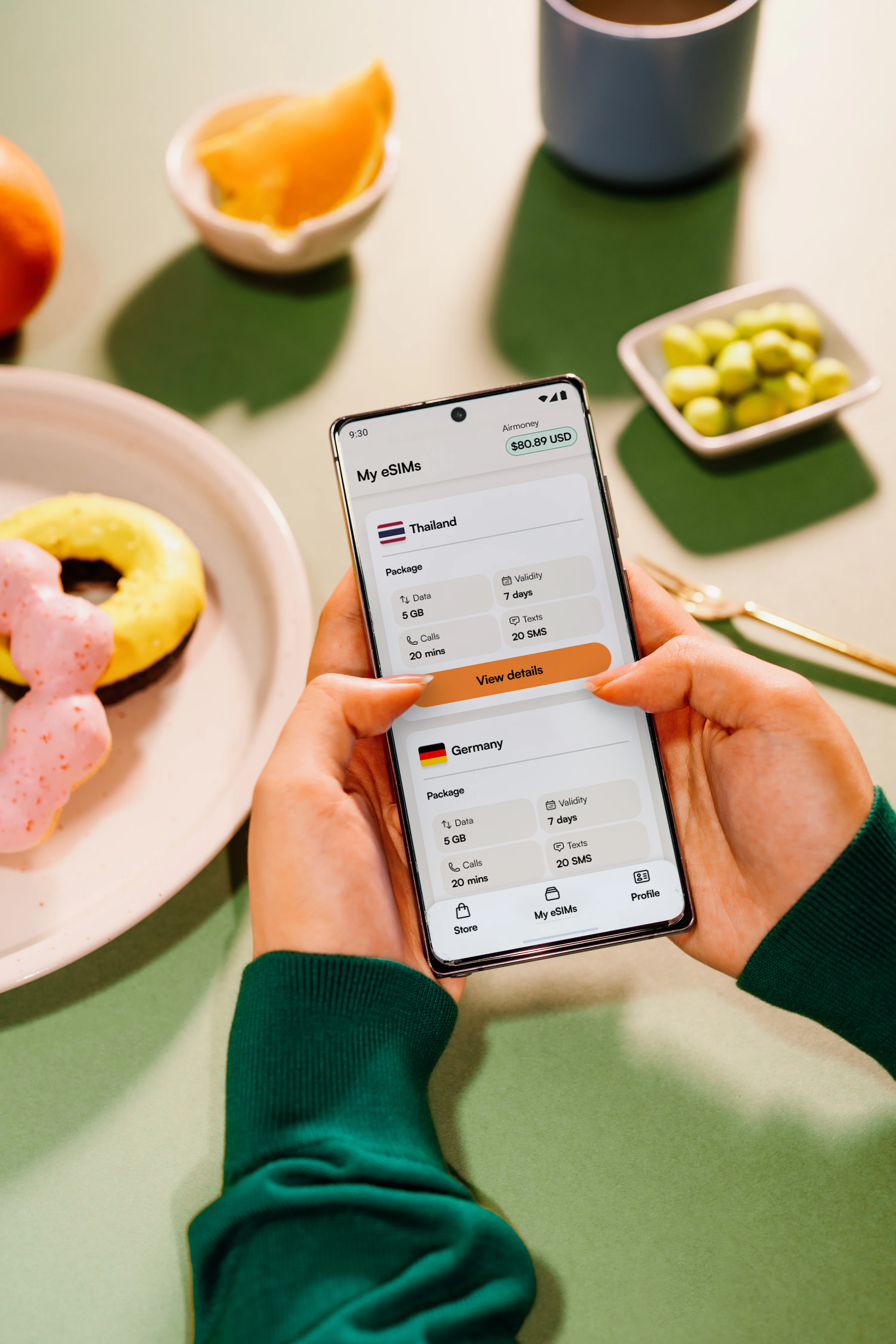
A physical SIM is a tiny card you slot into your phone, locking you to one carrier’s network until you swap it out. A regional plan, on the other hand, covers a group of countries—say, all of Europe or Southeast Asia—so you get one data pool that works across those borders, which is handy for a multi-stop trip. A worldwide profile, however, is the real global eSIM game-changer: it’s a single digital profile that connects you in dozens of countries without any reinstallation. The core difference boils down to coverage scope and convenience—where a physical SIM ties you to one operator, and a regional plan bundles a cluster, a worldwide profile gives ultimate flexibility for globe-trotters who want seamless switching from Japan to Brazil without touching settings.
Why Switch to a Single International Data Plan for Every Trip?
Switching to a single international data plan for every trip eliminates the recurring hassle of buying local SIMs at each destination. With a global eSIM, you activate one profile before departure, and it automatically connects to local networks upon arrival, so you are online the moment you land. This approach means you manage one billing cycle, one data pool, and one support contact, instead of juggling multiple carriers. For frequent travelers, a global eSIM also removes the physical SIM tray fumbling and the risk of losing tiny cards mid-journey. Your plan stays consistent across borders, ensuring only one familiar app is needed for top-ups or plan changes. Ultimately, a global eSIM simplifies connectivity into a single, predictable routine, saving you time and mental energy on every trip.
Eliminating the Nightmare of Local SIM Scavenger Hunts at Airports
Landing after a red-eye, you just want to reach your hotel—not queue at a kiosk, wrestle with a nano-SIM tray, or argue with a vendor who only accepts cash. A global eSIM kills that entire ritual. Before departure, you scan a QR code or tap an app; the moment the plane door opens, you’re online. No hunting for a store that’s “just past security,” no risking a lost original SIM in a jet-lagged haze. Instant airport connectivity via a single international data plan means your phone connects to the local tower automatically, often within seconds of touchdown. Ironically, the fastest way to become a local traveler is to stop shopping for local telecoms entirely.
Q: How do I avoid the airport SIM scavenger hunt without pre-ordering anything physical?
A: You don’t pre-order hardware—you install the eSIM profile at home, on Wi-Fi, then activate it on arrival. No counter, no passport scanning, no tiny plastic card. Just toggle a setting and breathe.

Keeping Your Primary Number Active While Using a Second Data Line
Keeping your primary number active while using a second data line is the core advantage of a global eSIM setup. Instead of removing your home SIM, you retain it for calls and SMS, while the eSIM handles all mobile data. Dual SIM functionality lets you disable data on the primary line to avoid surprise roaming charges, yet still receive verification codes and bank alerts. You must manually select the eSIM as the default data line in your phone settings, or your primary carrier may still consume background data. This arrangement ensures your main number remains reachable, preserving two-factor authentication and personal contacts without physical SIM swaps or carrying a second device.
Dual SIM with an eSIM keeps your primary number active for calls and texts while routing all data through the second line, preventing roaming fees and maintaining verification access.
How to Choose the Right Global Data Package for Your Travel Style
Choosing a global eSIM package starts with mapping your travel rhythm. If you hop between cities for a week, a short-term plan with a generous daily cap matters more than raw gigabytes. For digital nomads who linger, prioritize longer validity and a shared multi-country zone to avoid re-purchasing. Match data volume to your actual habits—not your home Wi-Fi usage—by tracking your last three trips’ consumption. Frequent social media uploads demand 5GB weekly; email-only travelers survive on 1GB. Check whether the eSIM’s coverage includes your exact stopover, not just the main destination.
The real trick is buying a package with a soft “fair usage” limit—where speed dips but connection stays—so you never face a cold cutoff at a train station.
Finally, verify activation logic: some eSIMs count days from purchase, others from first connection. Time that to your flight’s landing, and you’ll never waste a paid day.
Pay-As-You-Go vs. Subscription Plans: Which Saves You More?
When picking between pay-as-you-go vs. subscription plans, it really comes down to travel frequency. For a single two-week trip, per-gigabyte top-ups win because you only buy data for the days you actually use it—no recurring charges after you land back home. But if you’re hopping countries monthly or working remotely, a subscription (say, 10 GB every 30 days) usually beats topping up piecemeal, since per-GB rates drop sharply with a commitment. The trap is underestimating usage: pay-as-you-go punishes heavy streamers with pricey refills mid-trip, while a subscription gives you a mental budget ceiling. Match the plan to your trip’s length, not your home habits.
Data Speed Tiers, Coverage Maps, and the Fine Print on Throttling
When comparing global eSIM plans, prioritize data speed tiers and coverage maps over raw gigabyte counts, as advertised “4G/5G” speeds often drop to 3G or 128 kbps after a soft cap. Always cross-check the provider’s coverage map against your exact destinations—many “global” plans route through a single partner network, leaving rural regions or specific countries with no signal. Scrutinize the fine print for throttling triggers: fair-use thresholds, daily high-speed limits, and whether video streaming is deprioritized. A plan that promises “unlimited” data may still throttle after 500 MB per day, making it useless for navigation or hotspot use.
- Verify speed tier validity (e.g., “4G” vs. “LTE-M”) for each country in your itinerary.
- Check coverage maps for roaming-partner gaps, especially in transit zones or islands.
- Read throttle clauses for time-of-day restrictions or per-session caps, not just daily totals.

Checking Device Compatibility Before You Buy
Before you buy any global eSIM, check device compatibility first—it saves you from a useless purchase. Most newer phones (iPhone XS and up, Google Pixel 3 and later) support eSIM, but not all models do, especially older Androids or some Chinese brands. Also, verify that your phone is unlocked—a carrier-locked device won’t accept a new eSIM profile. Then, confirm your exact model number online, since regional variants differ. Finally, scan the eSIM provider’s compatibility list or use their free checker tool. A quick five-minute check beats getting stuck without data abroad.
Practical Setup Guide and Everyday Usage Tips
When you land in a new country, the first thing you do is switch off airplane mode, but with a global eSIM, that moment is far smoother. Before you travel, install the eSIM profile while still on Wi-Fi at home—this avoids a frantic hunt for connectivity at the airport. During setup, ensure your phone’s data roaming is toggled *on for that specific line*, otherwise you’ll see a signal but no actual internet. For daily use, keep your primary SIM active for calls but set the eSIM as the default for data, which lets you monitor usage through your carrier’s app. Battery drains faster when the phone constantly searches between two networks, so disable the inactive line overnight if you’re staying put. Finally, download offline maps and translation packs as a backup, because even the best global eSIM can hiccup in remote areas, and checking your data balance every morning prevents unexpected throttling during heavy navigation days.
Scanning the QR Code, Installing the Profile, and Toggling Data Lines
After buying a global eSIM, scanning the QR code and installing the profile is your first step—just open your phone’s settings, pick “Add Cellular Plan,” and point the camera at the code from the provider’s email. Once it’s installed, don’t panic if data doesn’t flow right away; you usually need to toggle the new line on and turn off your home SIM’s roaming. *A common hiccup is installing the profile while on Wi-Fi, then forgetting to switch the data line to the eSIM—without that toggle, you’ll still burn your old carrier’s charges.* Keep the eSIM line active for data and the other for calls, and you’re set.
**Q: Why does my global eSIM show “No Service” right after scanning the QR code?**
A: Likely you haven’t toggled the data line to the eSIM yet—go to Cellular > Cellular Data and select the new profile; also reboot once to refresh the network.
How to Monitor Your Consumption and Top Up While Abroad
To avoid bill shock, most global eSIM apps include a live data dashboard that updates your usage in near real-time, so you can see exactly what remains before you roam. Set a custom alert at 50%, 80%, or 90% of your plan to get a push notification the moment you approach the limit. When you do run low, top up directly from the app’s wallet—choose a small data add-on or a full plan refresh, and the new balance activates almost instantly without needing a new QR code. For tighter control, disable background app refresh for data-hungry apps, and check the widget on your lock screen to track daily consumption at a glance. **Monitoring consumption and topping up abroad** becomes fully self-service, keeping you connected without hunting for local SIMs or Wi-Fi.
Track your live usage through the Australia eSIM eSIM app’s dashboard, set data alerts, and top up instantly from the same interface to maintain seamless connectivity abroad.
Troubleshooting Connectivity Drops in Remote Locations
When connectivity drops in remote locations, first toggle airplane mode for thirty seconds to force a re-registration with the nearest available tower, as global eSIM profiles often latch to a weak signal instead of reselecting a stronger one. If the drop persists, manually search for networks in your device settings and choose a local operator, since automatic selection may prioritize a home-network partner with poor coverage. Verify that data roaming is enabled, as many eSIMs disable it by default, and confirm your phone hasn’t drifted into a “no service” zone where even a manual scan fails. Finally, reduce reliance on a single profile by pre-downloading a secondary eSIM from a different provider, ensuring you can switch carriers without waiting for a new installation. This remote connectivity troubleshooting routine resolves most transient failures without altering hardware or SIM placement.
Answering the Most Common Questions Users Have Before Buying
Before purchasing a global eSIM, users most often ask whether their phone is compatible, which is answered by checking for eSIM support in device settings rather than relying on carrier locks. Another frequent question concerns how data is billed across countries; the answer is that most plans use a single pool of gigabytes shared across all destinations, with no per-country roaming charges. Buyers also want to know about activation timing—clarify that installation takes minutes via QR code, but service starts only upon arrival at the first covered network. A common worry about losing existing numbers is addressed by confirming the physical SIM stays active for calls and texts. Pricing transparency matters, so explicitly state the total cost upfront, including any top-up penalties. However, users should verify whether their destination’s network bands match the eSIM’s supported frequencies before committing. Finally, clarify that customer support is typically chat-based, not phone-based, which is sufficient for troubleshooting. Always confirm data speeds are capped at 4G/LTE, not 5G. Review the validity period—many plans expire in 30 days, not upon data exhaustion.
Is It Secure, and Does It Track My Location Differently?
Security-wise, a global eSIM uses the same encrypted carrier-grade authentication as a physical SIM, so your calls and data are protected by standard network security. It doesn’t introduce extra tracking—your phone’s location works exactly as it always has, based on GPS and Wi-Fi, not the SIM itself. The eSIM simply stores carrier credentials; it won’t ping your position differently or share it with the provider beyond normal network registration. For privacy, you can still toggle location services off anytime. Just remember that, unlike a physical SIM you can remove, your eSIM profile stays embedded—if you want zero network connection, you’ll need to delete the profile in settings, which is a quick two-step process: open Settings, tap “Cellular,” then “Remove eSIM.” That’s the only practical difference in how your location and security are handled. In short, it’s just as safe, with no novel tracking quirks.
Can I Make Voice Calls or Send Texts, or Is It Data-Only?
Most global eSIM plans are **data-only by default**, meaning they do not include a native phone number for traditional voice calls or SMS. Instead, you must rely on internet-based alternatives like WhatsApp, FaceTime, or Google Voice to call and text using your data allowance. Some providers offer eSIMs with a voice-and-text bundle, but these are usually regional rather than truly global, and they often assign a random number from a specific country. Before buying, check whether the plan explicitly lists “calls and SMS” or if it says “data only.” If you need to receive verification codes from banks, a data-only eSIM will fail, so keep a physical SIM for that purpose.
What Happens to My eSIM When I Return Home?
When you return home, your global eSIM doesn’t vanish or auto-renew—it simply goes dormant until your next trip. Your phone will switch back to your primary home carrier’s network as soon as you’re in range, so you won’t face surprise roaming charges from the eSIM. You can keep the profile installed indefinitely at no cost, or delete it in settings if you’re done with it. Just remember that most plans have a fixed validity window, so check if your data expiry ends while you’re away. For frequent travelers, keeping your eSIM profile saved means you can reactivate instantly next time.
- No recurring fees once your plan expires—it just stops working.
- Your home SIM takes over automatically for calls and texts.
- You can reinstall the same profile later only if the provider allows reuse.
- Deleting the eSIM doesn’t affect your physical SIM or phone number.